Aesthetic trend or a high-maintenance reality?
When your kitchen becomes more than just a place to cook… but a space to tell your story
Have you ever scrolled through Pinterest or Instagram and fallen in love with those stunning kitchens featuring open shelving—where every plate, glass, and spice jar is styled like a piece of art? Gone are the bulky upper cabinets, replaced by breathable, light-filled spaces. But then comes the real question: is open shelving truly as beautiful as it looks… or just a dust magnet in disguise?
1. What is Open Shelving and Why Is It Trending?
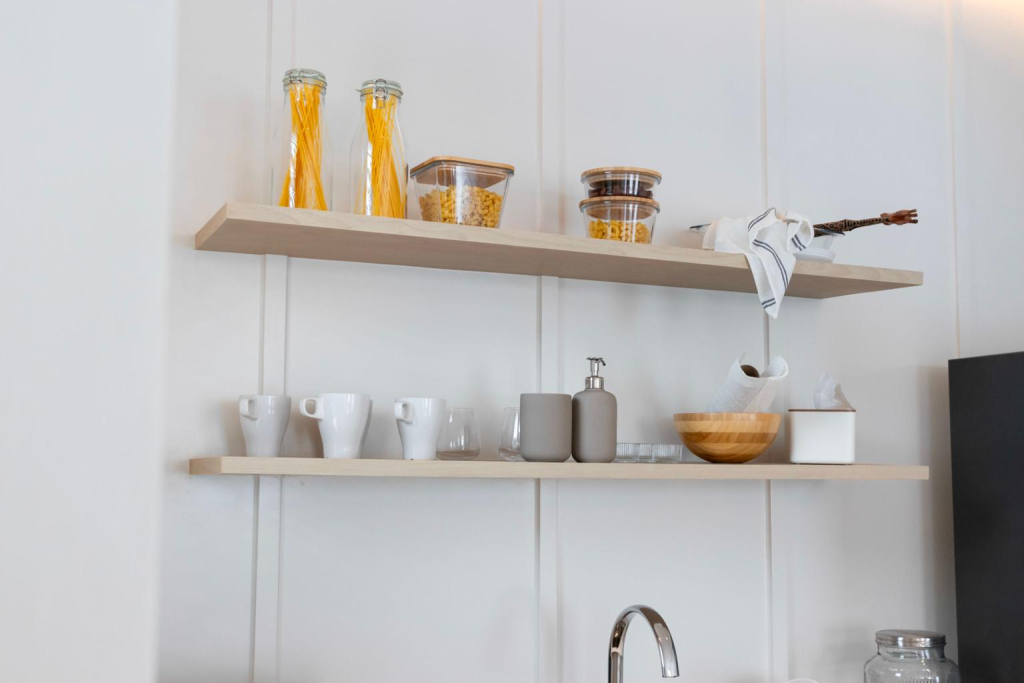
Open shelving is a kitchen design approach that replaces traditional upper cabinets with exposed shelves to display everyday items. This trend has gained massive popularity in the United States and Europe, especially in styles like Scandinavian, farmhouse, and Japandi.
The biggest appeal of open shelving lies in its ability to make a space feel lighter and more open. Removing upper cabinets visually expands the kitchen, making it ideal for smaller apartments. More importantly, it transforms everyday objects into part of your decor—from ceramic plates and glassware to beautifully arranged spice jars.
Another reason for its rise is the shift toward intentional living. When everything is visible, you naturally become more selective—keeping only what you truly need and love. The result is a kitchen that feels both functional and deeply personal.
2. The Undeniable Beauty: Turning Your Kitchen into a Living Gallery
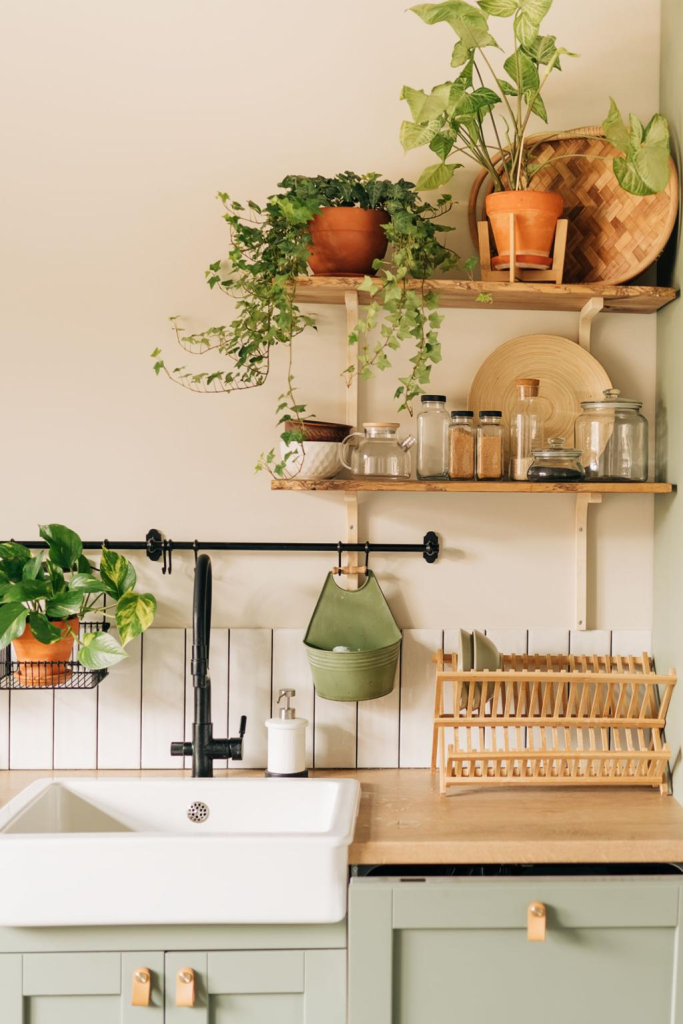
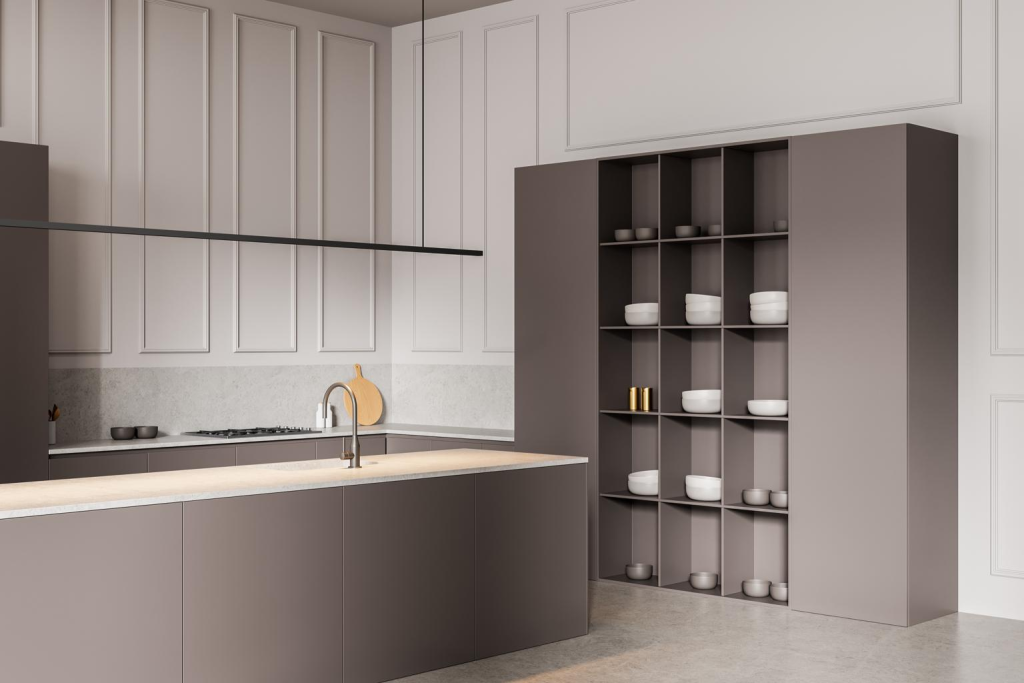
Open shelving brings a kind of beauty that feels authentic and lived-in rather than overly polished. It’s not about perfection—it’s about storytelling.
A handmade bowl from your travels, vintage glassware, or neatly arranged pantry jars—all of these elements add character and personality to your kitchen. This is something closed cabinets simply cannot offer.
Another advantage is flexibility. You can easily refresh your shelves with the seasons or your mood. In summer, go for light tones and greenery; in winter, switch to warmer hues and cozy textures. Your kitchen becomes a living canvas—always evolving, always inspiring.
3. The Hidden Truth: Dust, Grease, and Clutter
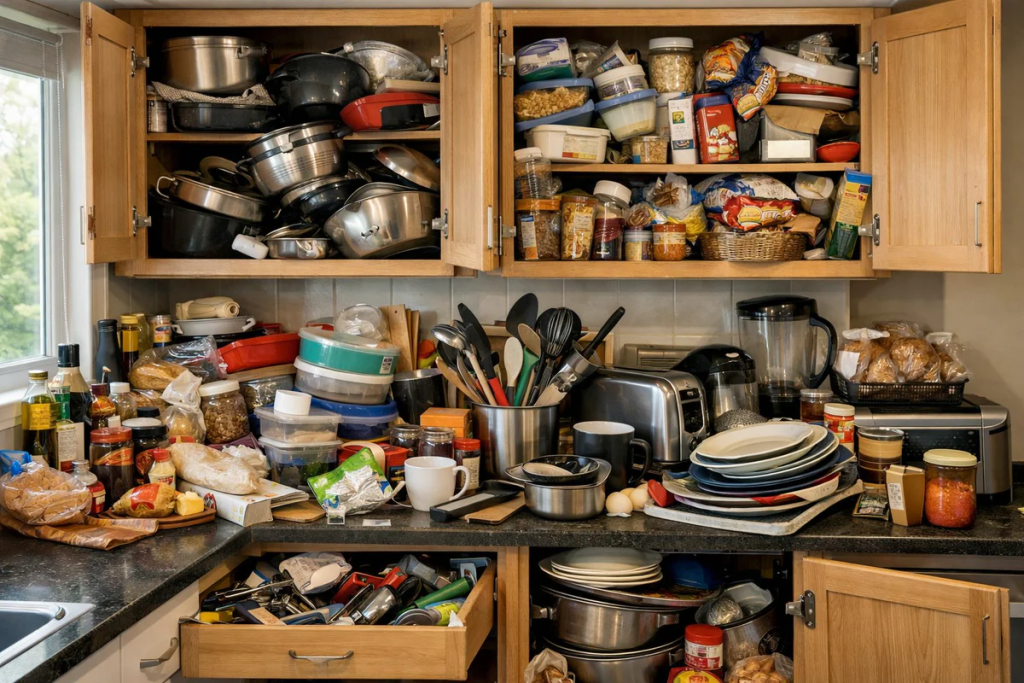
Behind the Instagram-worthy aesthetic lies a less glamorous reality: open shelving requires consistent maintenance. Without cabinet doors, your items are exposed to dust, grease, and kitchen residue.
If not cleaned regularly, glassware can quickly lose its shine, and wooden shelves may accumulate a sticky layer of oil—especially in kitchens where cooking happens daily.
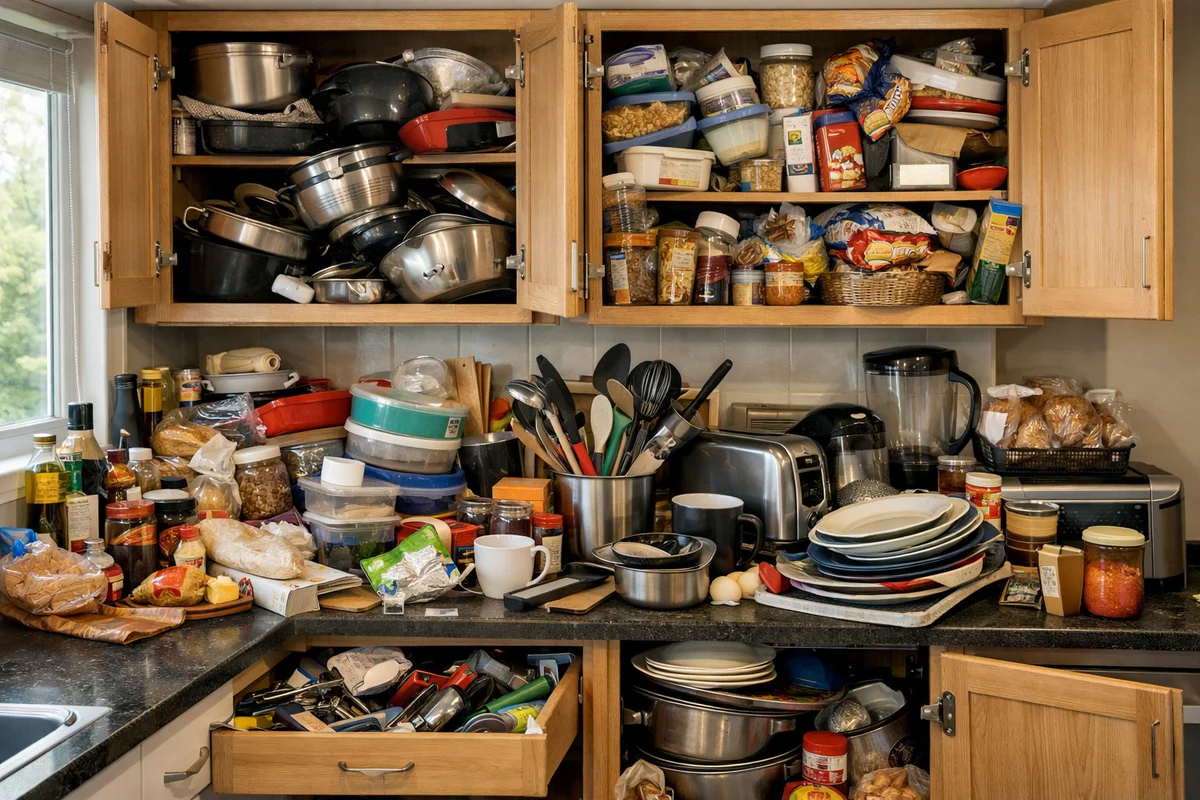
Additionally, open shelving is unforgiving when it comes to clutter. A few mismatched items or poor arrangement can instantly make the entire space feel chaotic. This design is not ideal for those who prefer to “hide everything behind doors.”
4. How to Make Open Shelving Both Beautiful and Practical
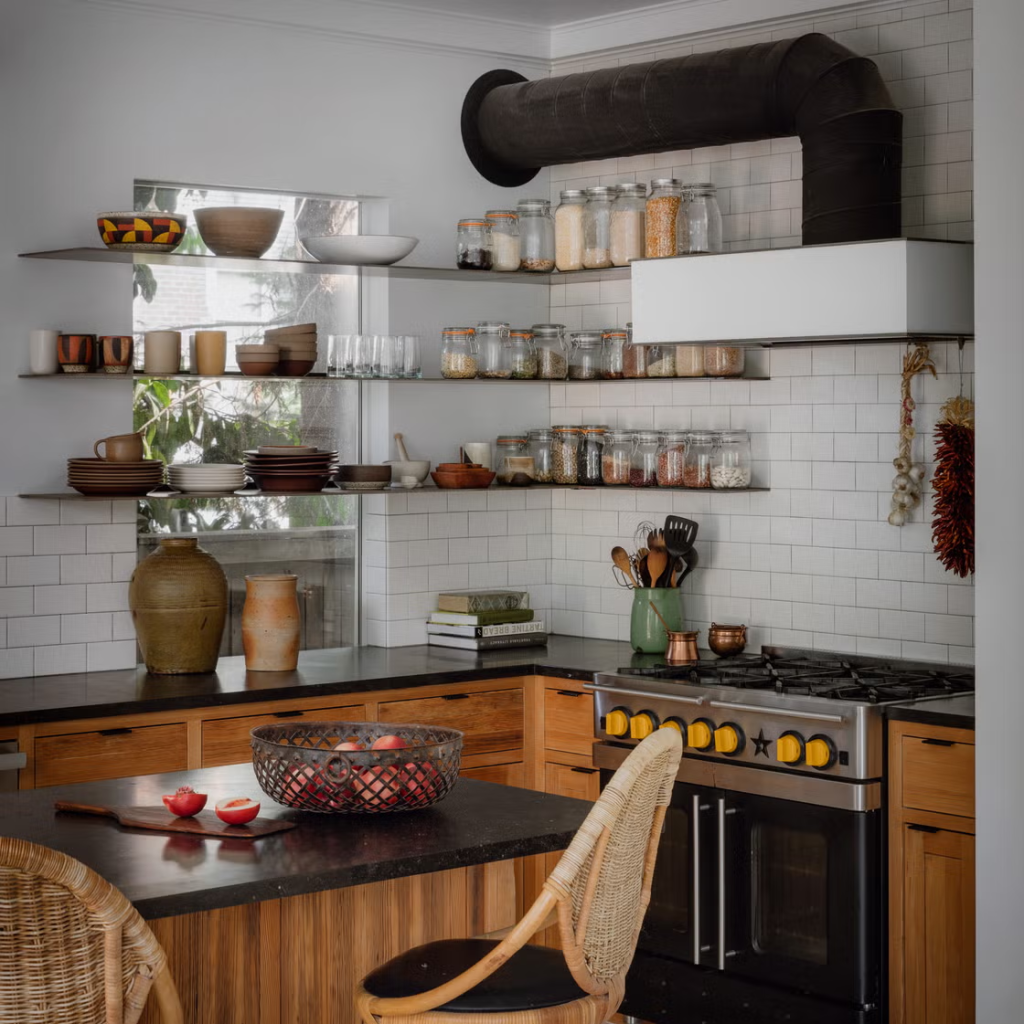
The good news is—you can enjoy the aesthetic of open shelving without the stress, if you approach it strategically.
Start by limiting what you display. The rule of “less but better” is key. Only keep items that are both functional and visually appealing.
Next, stick to a cohesive color palette—such as white, beige, or natural wood tones. This creates a clean, intentional look instead of visual clutter.
Also, blend decor with functionality. Glass jars for grains, woven baskets for linens—these elements are both useful and stylish. This is how many European kitchens strike the perfect balance between beauty and practicality.
Finally, accept that maintenance is part of the deal. But if you treat it as a simple routine—like caring for a small corner of your home—it becomes less of a burden and more of a mindful habit.
Conclusion: A Trend or a Personal Choice?
Open shelving isn’t inherently right or wrong—it depends on your lifestyle, your habits, and how you use your kitchen.
If you appreciate aesthetics, enjoy intentional organization, and want your kitchen to reflect your personality, open shelving can be a beautiful choice. But if you prioritize convenience, low maintenance, and simplicity, traditional cabinets may still be the better option.
👉 At the end of the day, your kitchen doesn’t need to look like Pinterest—it just needs to feel like you.
